
How Physical Therapy Reduces Low Back Pain for Office Workers
Walk through offices at companies like Google, Meta, Microsoft, Amazon corporate, or any tech company mid-afternoon and you'll see it everywhere. Employees shifting in their chairs. Team members standing up to stretch between meetings. Workers adjusting lumbar cushions or leaning back to relieve pressure. Low back pain among office workers isn't just a comfort issue, it's affecting focus, productivity, and your organization's health insurance costs.
More than 1 in 4 working adults report current back pain, and it drives up your employer-sponsored healthcare utilization, skyrockets rates of Presenteeism (employees who are clocked in but distracted by pain), and drains productivity. And it's entirely preventable.
Why Office Work Creates Lower Back Pain

Sitting might seem passive, but it places enormous stress on the lower back.
Your office workers are sitting for 6 to 8 hours daily with hip flexors in a shortened position.
They're hunching forward toward monitors, flattening the natural curve of their lumbar spine.
They're sitting in chairs that don't support proper posture.
They're holding their bodies in static positions for extended periods without movement.
They're reaching forward repeatedly for keyboards and mouse
Their core muscles are essentially turned off while seated, forcing the spine to bear all the load.
The lifetime prevalence of low back pain is approximately 70%, with office workers particularly susceptible to chronic issues from prolonged sitting and poor ergonomics.
Specific symptoms your office workers may complain about:
Stiffness when standing up from their desk
Deep aching that gets worse as the day progresses
Sharp pain when transitioning from sitting to standing
Difficulty finding a comfortable sitting position
Pain that improves with movement but returns after sitting
Discomfort that radiates into hips after long meetings
Why Physical Therapy Fixes Low Back pain for Office Workers
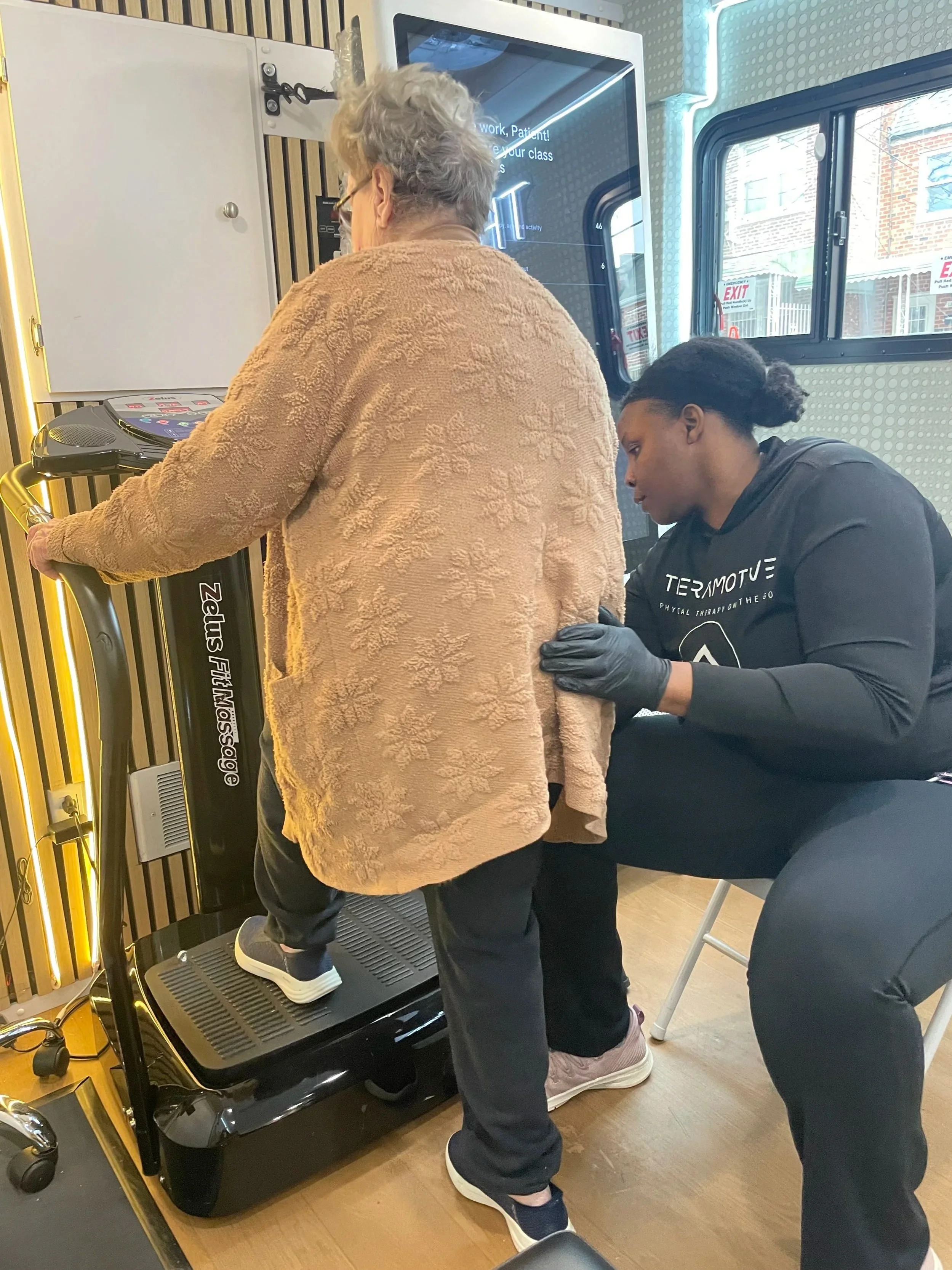
Office workers don't need the same PT approach as manual laborers. They need interventions that address prolonged sitting and desk ergonomics.
Physical Therapy provides the necessary structural correction.
They release the chronically tight hip flexors that pull on the lumbar spine.
They rebuild the neglected deep core muscles required to maintain posture during back-to-back meetings.
They provide contextual ergonomic training, teaching employees how to break up static sitting and configure their existing workstations to prevent micro-traumas.
A physical therapist who understands corporate environments evaluates how your employees sit, what their workstations look like, and how they move throughout their day. Maybe their monitors are too low, causing them to look down and flex their spines. Maybe their chairs lack proper lumbar support. Maybe they lack the core endurance to maintain good posture during long video meetings. Maybe they're sitting for 3-hour stretches without any position change.
Then they create practical office-friendly solutions including exercises employees can do at their desks, ergonomic adjustments that don't require expensive equipment, movement breaks that fit into work schedules, and posture cues for long meetings or focused work sessions.
How TheraMotive Brings Mobile Physical Therapy to Your Office
The problem with traditional PT for office workers is time and logistics. Employees have back-to-back meetings. Appointments mean leaving work mid-day. Commuting to clinics eats valuable time. So workers postpone care until pain is severe and affecting their ability to work.
TheraMotive partners with corporate offices to make PT accessible and convenient.
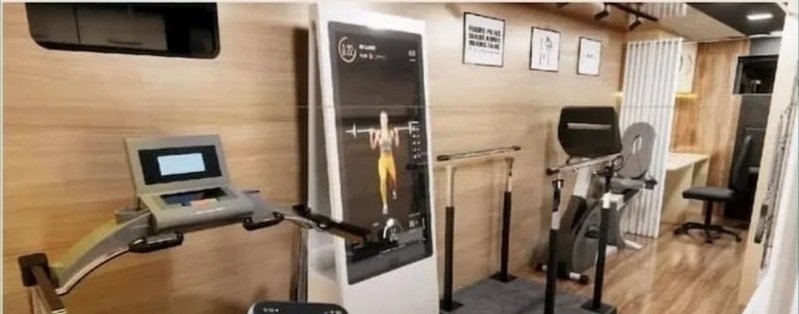
Our fully equipped mobile PT clinics arrive on-site on a schedule that works for your organization.
Employees can book sessions during lunch, before work, or between meetings without leaving the building. No commute. No lost productivity. Just professional care where your workforce already is.
Our portable mobile clinics can treat up to 30 people a day at capacity which means an entire department can get their Physical Therapy sessions done in a day.
And our mobile clinics comes with high-grade rehab equipment with wheelchair-ramps and are ADA accessible. All these features help your office workers get good quality care.
For your organization, providing accessible on-site PT means reducing desk-related injury claims, improving employee wellbeing and focus, and demonstrating that you invest in workforce health.
How to Address Desk Pain Before It Becomes Chronic
Low back pain from office work doesn't improve just because employees want it to. The conditions causing the pain, prolonged sitting, poor ergonomics, weak cores, repeat every single workday. Without intervention, acute pain becomes chronic disability.
Physical therapy that addresses the specific demands of office work prevents minor discomfort from becoming major health problems and expensive workers' comp claims.