
How Physical Therapy Reduces Low Back Pain in Construction Workers
If you manage safety or operations for a major General Contractor like Turner Construction, AECOM Tishman, Hunter Roberts you see it on your jobsites every day. It’s the carpenter bracing himself before a lift, the electrician favoring one side after a long shift, or the laborer frowning when picking up tools from the dirt.
In the construction industry, low back pain isn't just a physical complaint; it is the leading cause of injury-related time loss. Amid a historic shortage of skilled trades labor, losing an experienced worker to a preventable musculoskeletal (MSK) injury doesn't just trigger an average $40,000 to $80,000 workers' compensation claim, it threatens your project timeline, drives up your TRIR (Total Recordable Incident Rate), and permanently damages ratings.
How Construction Work Causes Lower Back Pain
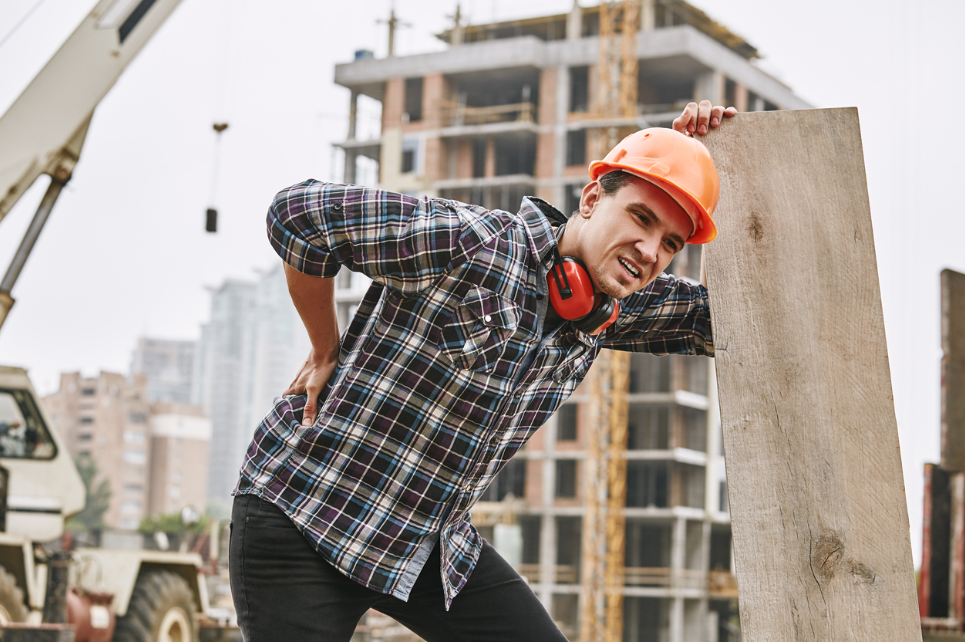
Construction work combines every risk factor for back injury into one occupation.
Your workers are lifting heavy materials from ground level repeatedly, often in cramped or awkward spaces.
They're working on uneven surfaces that require constant balance adjustments, stressing the spine.
They're bending and twisting simultaneously while carrying loads.
They're using vibrating tools that transmit force through their bodies for extended periods.
They're working in sustained awkward postures, overhead reaching, kneeling on hard surfaces, or hunched in confined spaces.
They're carrying materials up stairs, ladders, or across jobsites multiple times per day.
Men in construction and manufacturing are more likely to suffer back injuries due to these physical job demands, with the average workers' compensation back injury claim costing between $40,000 to $80,000.
Specific symptoms your construction workers report:
Sharp pain when lifting materials from the ground
Stiffness in the morning that takes time to work through
Aching that worsens throughout the day on demanding jobs
Difficulty maintaining proper form when fatigued
Pain that radiates down legs during or after work
Chronic discomfort that affects sleep and recovery
How Physical Therapy Treats Low Back Pain in Construction Workers
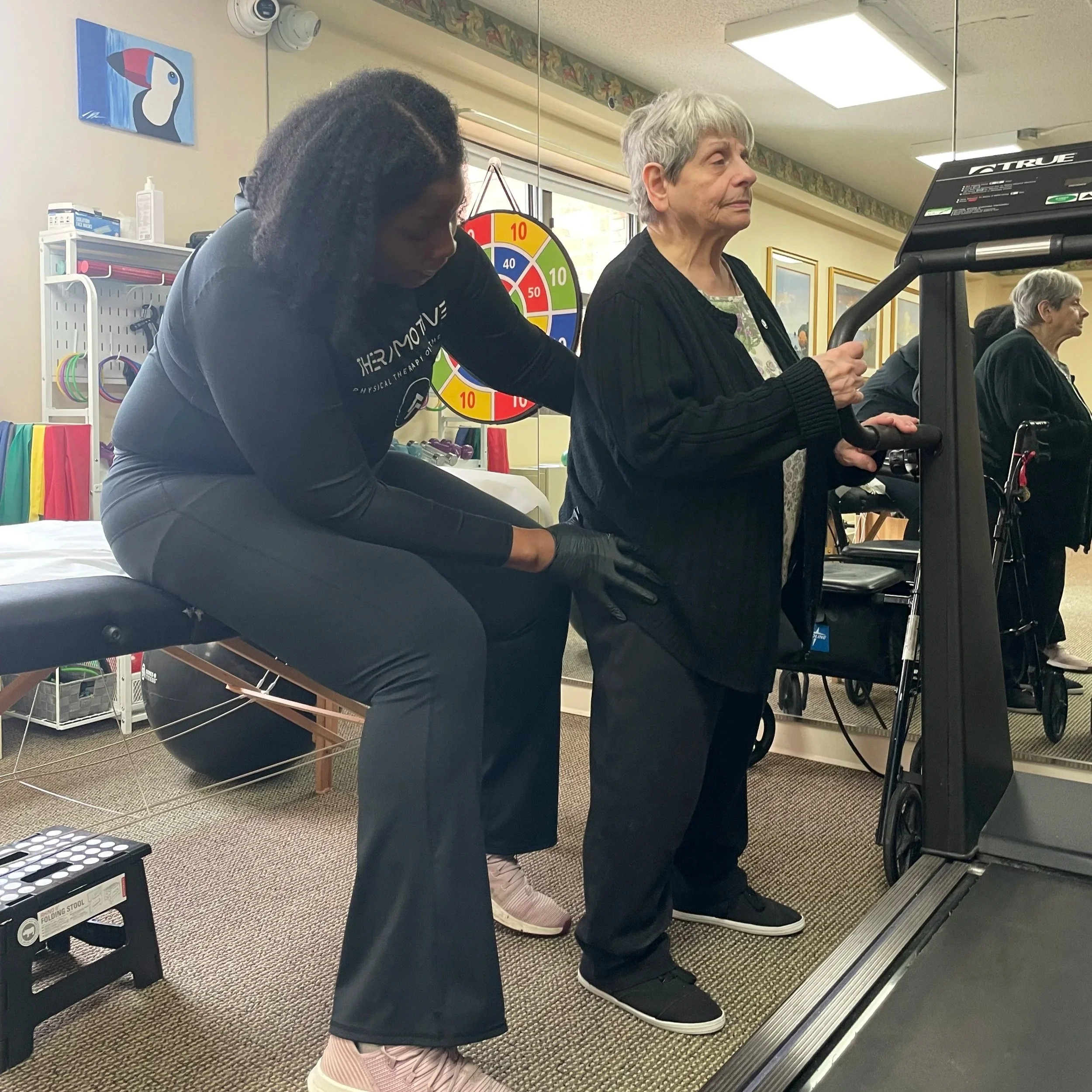
Construction workers can't afford generic rehabilitation that doesn't account for the physical demands they'll return to. PT for construction workers must prepare them for real jobsite conditions.
Physical Therapy fixes construction-related back pain by
Strengthening the posterior chain muscles critical for safe lifting
Building core endurance for sustained physical work
Improving hip and ankle mobility for working on uneven surfaces
Training proper lifting mechanics for awkward spaces and positions
Developing movement strategies that reduce cumulative trauma.
A physical therapist who understands construction evaluates how workers perform their actual job tasks. They assess lifting from various positions, carrying loads across distances, working overhead, and transitioning between positions throughout the day. Then they create construction-specific interventions including strength training that mirrors jobsite demands, mobility work that prepares the body for varied positions, endurance building for long shifts and multi-day projects, and practical strategies for managing fatigue-related injury risk.
How TheraMotive Brings Mobile Physical Therapy Clinics to Your Construction Workforce
Traditional PT clinics don't work for construction crews. Your workers start early and finish late. Jobsites change. Schedules vary. And construction workers often delay seeking help because accessing care during a busy project seems impossible, so minor pain becomes major injury.
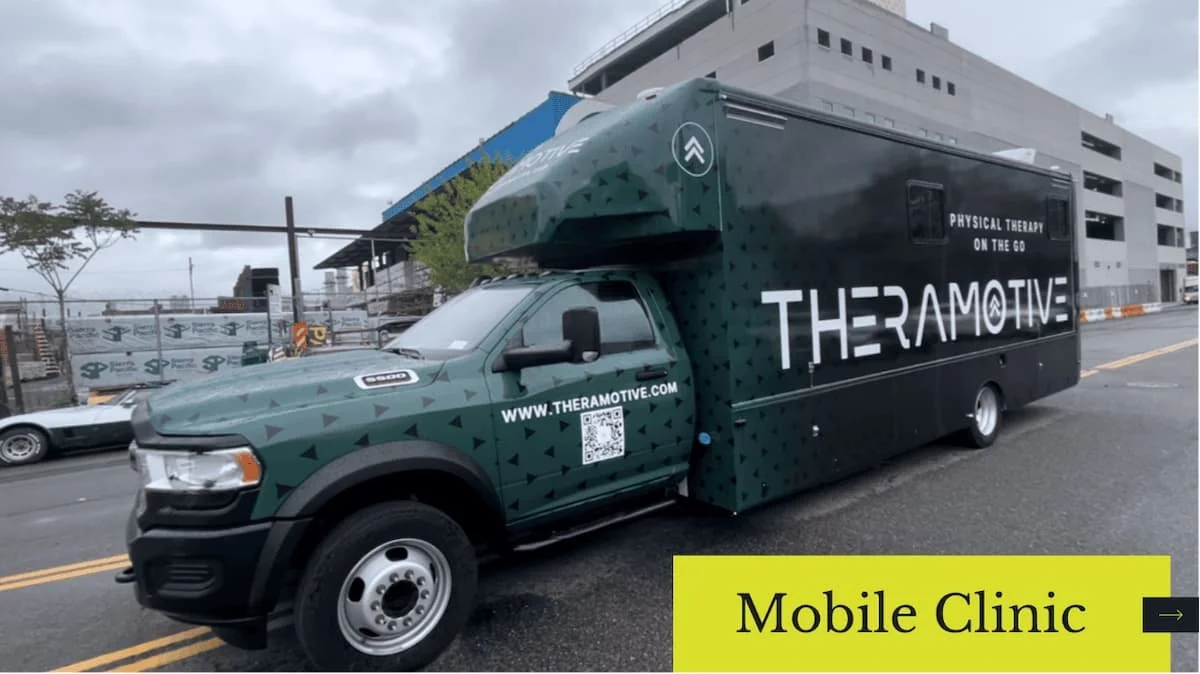
TheraMotive partners with construction companies to provide mobile Physical Therapy clinics that adapt to your operations.
We can schedule around project timelines, bring our potable clinics and park directly outside your jobsites, work with crews during slower periods or between projects, and provide care without disrupting your labor schedule or project deadlines.
Our portable mobile clinics can treat up to 30 workers per day at capacity.
Our mobile clinics comes with high-grade rehab equipment with wheelchair-ramps and are ADA accessible. All these features help your construction workers get good quality care.
Research shows that at least one-third of compensable back injuries could be prevented through improved training and early intervention. For your operations, this means addressing back pain before it requires modified duty or time off, maintaining your skilled workforce without injury-related gaps, and reducing the frequency and severity of workers' comp claims.
How to Prevent Chronic Back Problems in Your Construction Workers
Construction workers often push through pain because the job demands it. But back pain that's ignored doesn't heal, it accumulates. After an acute episode of back pain, approximately 10% transition to chronic problems lasting more than 6 months, often requiring surgery or permanent restrictions.
Early Physical Therapy intervention prevents acute injuries from becoming chronic disabilities that end construction careers.