
How Physical Therapy Reduces Low Back Pain for Healthcare Workers
If you manage healthcare teams at hospitals, or nursing homes, you already know the statistics. Your CNAs, nurses, and direct care staff report back pain at alarming rates. You see it every shift, employees bracing before transfers, team members requesting lighter assignments, staff making faces when repositioning patients.
Nursing is an occupation most at risk from low back pain, with rates exceeding heavy industry workforces. The lifetime prevalence of low back pain in nurses is as high as 90%, with recurrence rates exceeding 70%. This isn't just a clinical issue, it's affecting your staffing, your retention, and your operational costs.
How Healthcare Work Causes Low Back Pain

Healthcare work creates unique biomechanical challenges that warehouse or office work doesn't.
Your workers are lifting and repositioning patients who cannot assist, often with limited space or equipment.
They're bending over beds repeatedly throughout 12-hour shifts.
They're performing patient care in awkward sustained postures, hunched over while providing treatment or documentation.
They're pivoting and twisting with patients during transfers.
They're responding to sudden patient movements that require quick, unplanned physical reactions.
They're working long shifts with minimal breaks, accumulating fatigue.
More than half of all musculoskeletal disorder cases among nursing assistants affect the back.
Specific symptoms your healthcare workers report:
Sharp pain during or after patient transfers
Deep aching after prolonged bedside care
Stiffness when transitioning between patients or tasks
Pain that radiates into hips or legs during shifts
Difficulty recovering between shifts
Chronic discomfort that affects quality of life and sleep
How Physical Therapy Treats Back Pain in Healthcare Workers
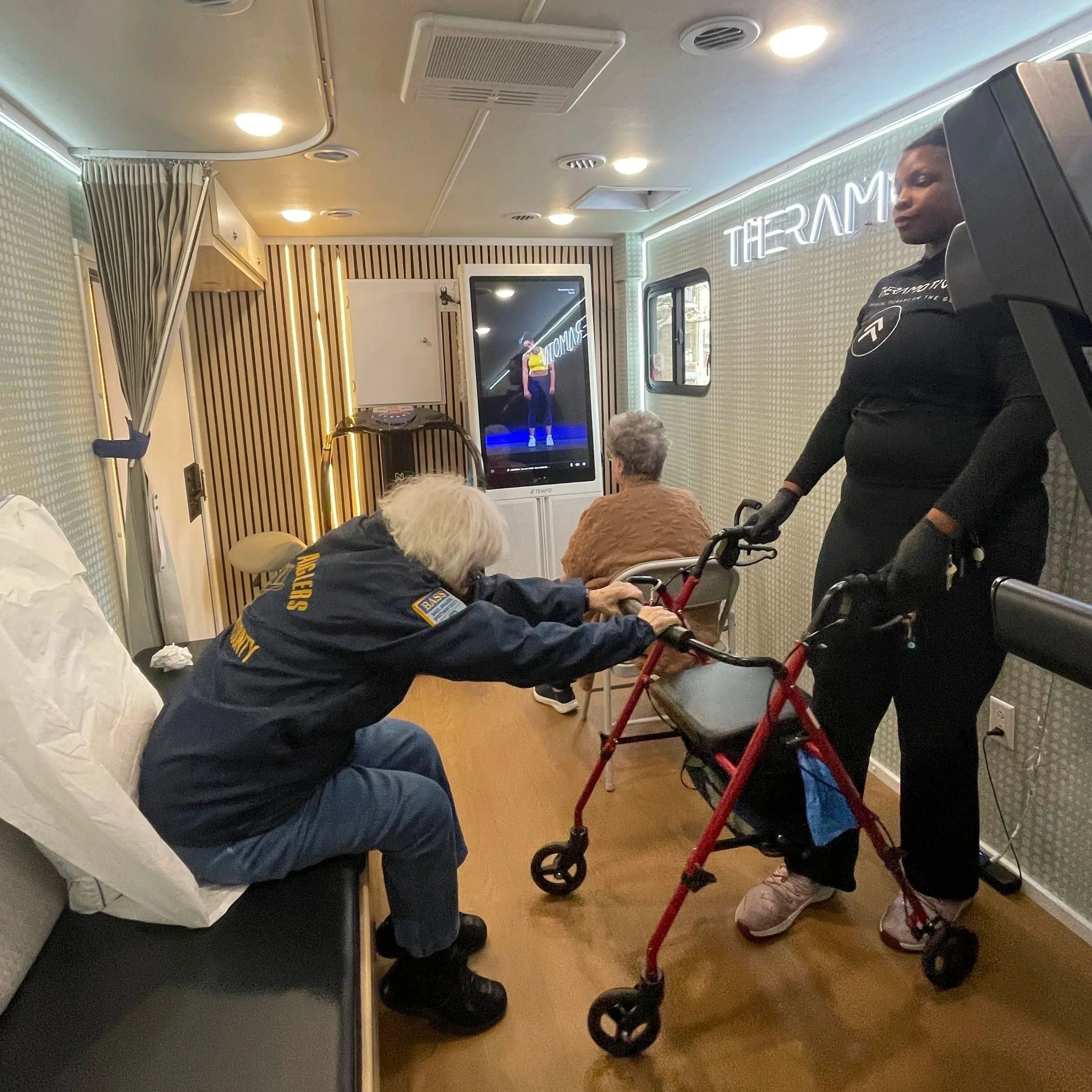
Healthcare workers understand anatomy and injury, but they often neglect their own physical health while caring for others. Physical Therapy for healthcare workers must address the specific demands of patient care.
Physical Therapy fixes healthcare-related back pain by:
Strengthening muscles used in patient handling and transfers
Improving body mechanics for safe patient repositioning
Building endurance for 12-hour shifts and consecutive work days
Addressing muscle imbalances from one-sided or repetitive patient care tasks
Teaching strategies for protecting the spine during unpredictable patient movements
A physical therapist who understands healthcare work evaluates how your staff performs actual patient care tasks. They assess transfer techniques, bed mobility assistance, ambulation support, and sustained positioning during procedures. Maybe workers are using their backs instead of their legs during transfers. Maybe they lack core endurance for long shifts. Maybe facility equipment isn't adequate or properly utilized.
Then they create healthcare-specific solutions including transfer training that protects the spine while maintaining patient safety, strengthening programs for the demands of 12-hour shifts, mobility work that addresses sustained awkward positions, and education on utilizing available equipment effectively.
How TheraMotive Brings Mobile Physical Therapy to Your Healthcare Facility
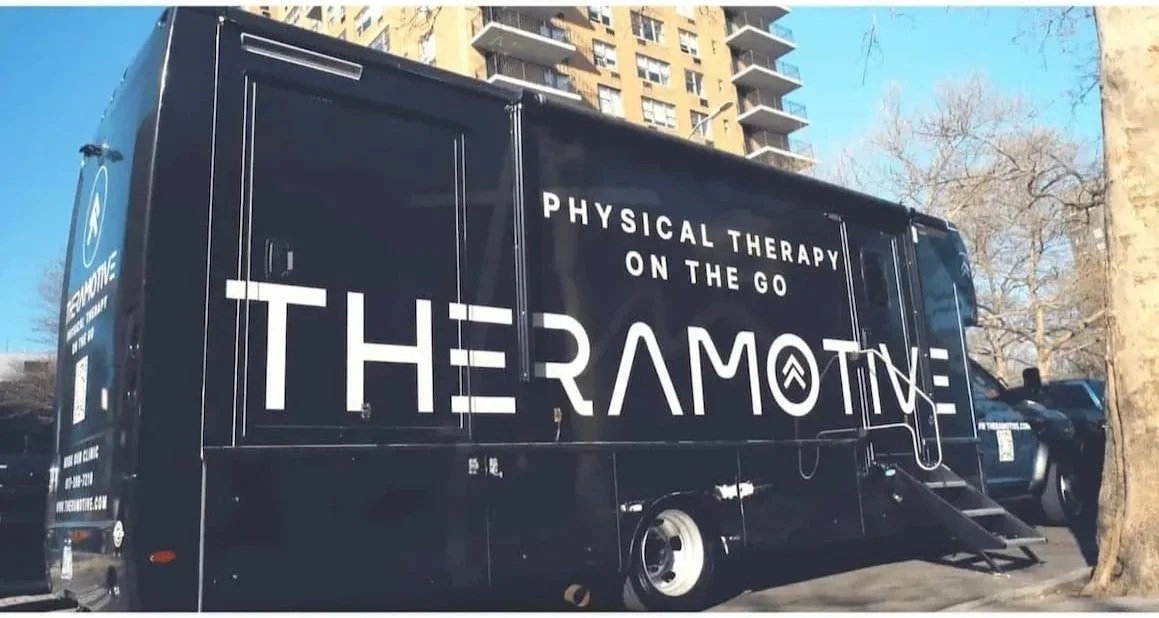
The irony is: healthcare workers deliver care all day but struggle to access care themselves. Traditional PT requires time off during already demanding schedules. Clinic appointments during shift work hours are nearly impossible. And healthcare workers often prioritize patient care over their own health until pain becomes unbearable.
TheraMotive partners with healthcare facilities to eliminate those barriers. Our fully equipped mobile PT clinics arrive on-site on a schedule that works around your staffing patterns. Healthcare workers can access professional therapy during breaks, before or after shifts, or between patient care responsibilities without leaving the facility.
Our portable mobile clinics can treat up to 30 staff a day at capacity which means an entire healthcare department can get their Physical Therapy sessions done in a day. And our mobile clinics comes with high-grade rehab equipment with wheelchair-ramps and are ADA accessible. All these features help your healthcare workforce get good quality care.
The incidence of work-related injuries among rehabilitation therapists and healthcare workers is 87%, with low back pain being the most common at 12%. For your facility, providing accessible on-site PT means reducing back injury rates among your most valuable asset, improving staff retention in a competitive market, and decreasing workers' comp costs and modified duty assignments.
How to Protect Your Healthcare Workforce
Healthcare workers give everything to their patients. Low back pain shouldn't be an accepted cost of providing care. Without intervention, acute back pain becomes chronic disability, and experienced healthcare workers leave the profession entirely.
Lower back pain costs the United States up to $635 billion annually. Your facility can't afford to lose skilled staff to preventable injuries.