
How Physical Therapy Reduces Knee Pain in Construction Workers
If you manage crews for a major construction firm or general contractor like Turner, AECOM Tishman, or Hunter Roberts, knee problems are a frustratingly familiar sight. You see workers struggling to push themselves up off the ground after laying flooring. You notice crew members quietly avoiding jobs that involve a lot of kneeling. You watch experienced plumbers or electricians moving noticeably slower across the site than they used to.
Knee injuries on a construction site are expensive, and the disruption goes far beyond the medical bill. Losing a key worker mid-project can throw off timelines, especially on smaller crews where every person counts. Workers’ compensation claims for knee injuries can become costly when surgery and rehabilitation are involved, and recovery often means weeks away from the job. Light duty is difficult to manage on a construction site because there are few true light-duty options when the entire project is physical. Over time, chronic knee problems can push experienced workers out of the field.
Why Construction Work Causes Knee Pain
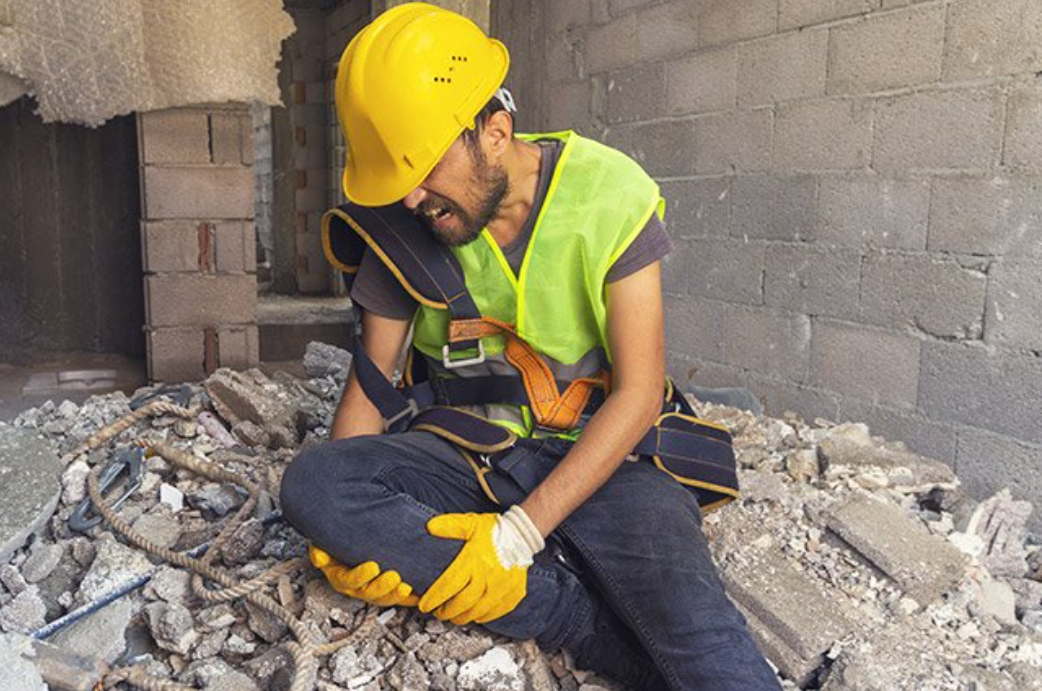
Construction workers put their knees through extreme, violent demands that office workers simply never experience. Think about what your crews actually do every single day:
Kneeling directly on concrete, gravel surfaces to set tile or do ground-level work crushes and grinds down the kneecap.
Climbing and descending steep ladders all day is hard enough; doing it while carrying 50 pounds of materials forces the knee joint to absorb massive, shearing forces.
Walking across uneven dirt and debris forces the knee ligaments and muscles to constantly burn and stabilize the body, leaving the joint exhausted by lunchtime.
Carrying heavy lumber, drywall, and equipment across sites that aren't designed for easy movement accelerates the wear-and-tear on the knee's cartilage.
What symptoms your construction workers may complain about:
Knee injuries on a job site don't always happen from a single fall; they usually build up over months of heavy labor. Watch your crews for these common warning signs:
Pain and swelling directly over the kneecap from kneeling on hard surfaces
Aching when climbing or descending ladders, especially with a load
Stiffness first thing in the morning that takes time to work through
One knee hurting more than the other from uneven work habits
Difficulty fully straightening or bending the knee after a long day
Pain that's manageable on the job but gets worse at rest
How Physical Therapy Treats Knee Pain in Construction Workers
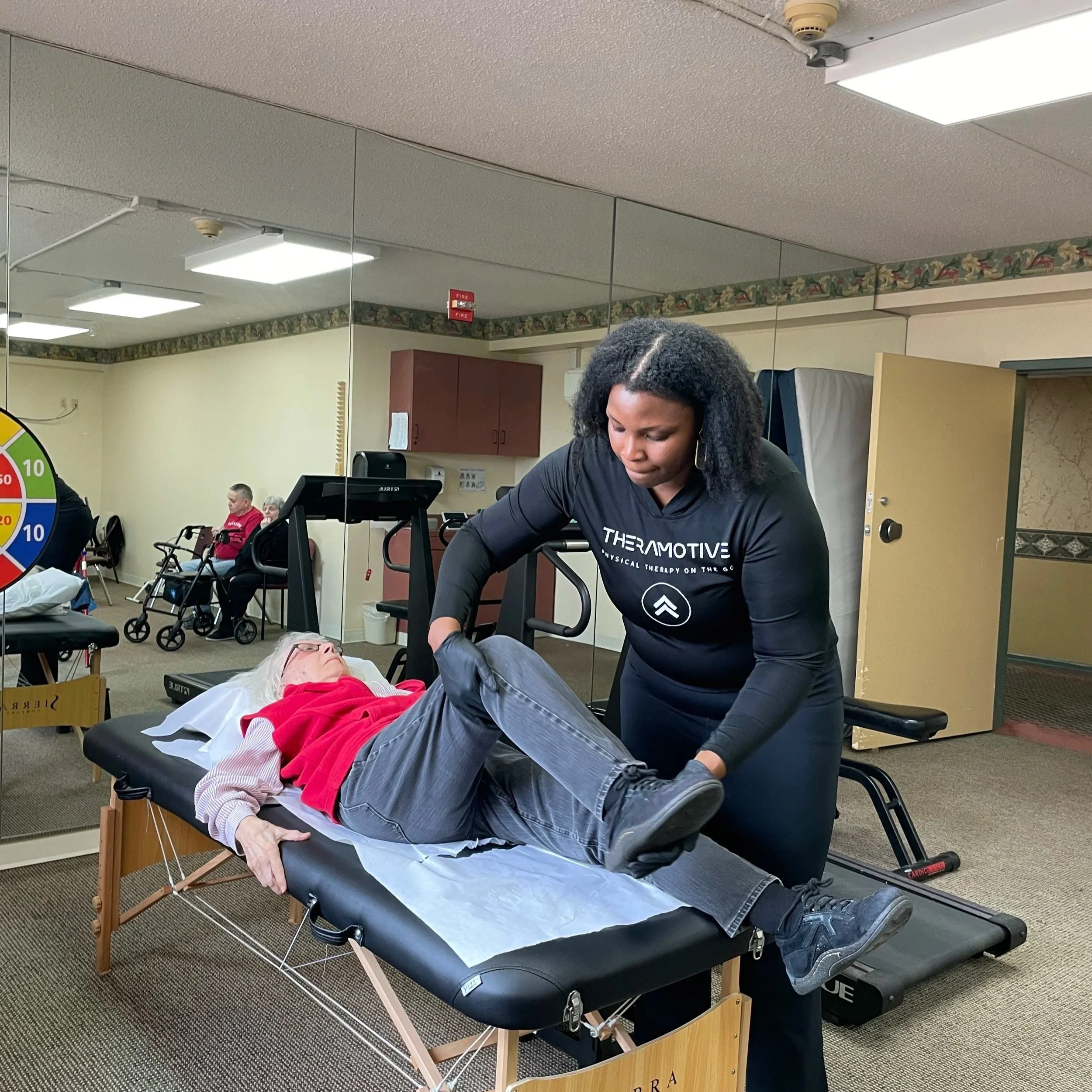
Telling a construction worker to take it easy doesn't work when there is a project deadline approaching. They need physical therapy that actually prepares them for the dirt. Physical therapy helps construction workers by:
Strengthening the muscles around the knee that absorb the shock of climbing and carrying heavy loads.
Building the flexibility needed to squat and kneel safely so the kneecap isn't taking the entire burden of the worker's body weight.
A physical therapist watches how your crew actually moves. If a worker is lifting with their knees instead of their glutes, we fix this before it causes a serious tear.
How TheraMotive Brings Mobile Physical Therapy Clinics to Construction Sites
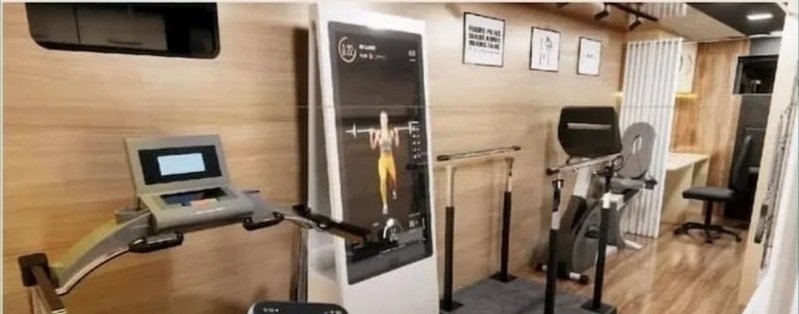
Here is the reality of construction: crews work long hours, and job sites change constantly. A worker isn't going to leave the site in the middle of a concrete pour to drive across town for physical therapy. TheraMotive's mobile physical therapy clinics are built specifically to solve this logistical nightmare.
Our mobile physical therapy clinics are fully equipped, climate-controlled medical RVs that park right at your active job site or main equipment yard.
Our clinics have wheelchair ramps for better accessibility. We can treat up to 30 workers per session at full capacity
We coordinate with your site supervisors so workers can get a 30-minute treatment during safety stand-downs, rain delays, or lunch breaks without ever leaving the site.
Construction claims are complicated. We manage all the medical paperwork, coordinate with your insurance, and track exactly what restrictions a worker has.
We don't just treat injuries; we join your safety meetings to talk on knee injury prevention and construction-specific warm-ups.