
How Physical Therapy Reduces Hand and Wrist Pain in Healthcare Workers
If you manage physicians, nurses, CNAs, or healthcare staff at NYU Langone, Mount Sinai, Northwell or any other hospital, or healthcare facility, hand and wrist pain is probably present on your team right now and most of those workers haven't said a word about it. Healthcare workers are used to putting their patients first and their own discomfort last. They tape up their wrists, buy compression gloves from the pharmacy, and keep going because the work doesn't stop. These injuries can limit a nurse’s ability to grip, lift, chart, and perform procedures safely, which affects patient care.
Hand and wrist injuries in healthcare are expensive, and the consequences go beyond direct medical costs. Workers compensation costs for wrist pain alone average roughly $34,000, and hand/wrist injury claims often carry substantial indirect costs because time away from work can be long. Replacing even a single nurse can cost tens of thousands of dollars once recruiting, onboarding, and productivity loss are included, while premium labor. Over time, that cycle contributes to burnout, making it even more expensive to keep experienced staff in place.
Why Healthcare Work Causes Hand and Wrist Pain
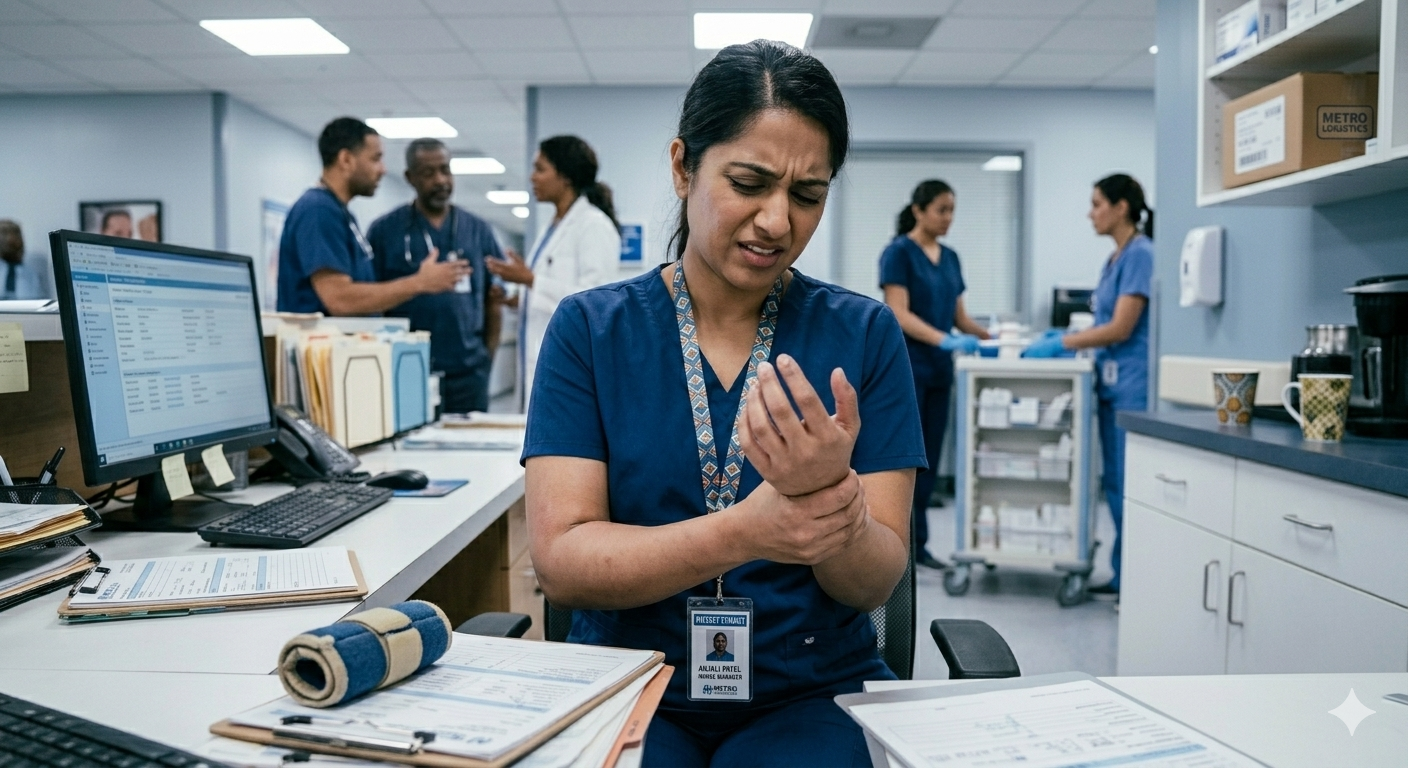
Healthcare work involves a relentless amount of hand and wrist demand that most people outside the field simply do not understand. Your staff is performing precise, physically demanding tasks all day, every day:
Pulling and repositioning heavy, unsteady patients requires massive, sustained grip strength, often placing sheer, twisting force directly through the nurse's wrists.
Nurses spend hours every shift charting in Electronic Health Records (EHR). Typing rapidly in their cramped nursing stations forces the wrists into unnatural, compressed angles.
Starting IVs, drawing blood, pushing medications, and handling tiny vials requires intense fine motor control and sustained pinching motions under high-stress conditions.
Constantly handling and adjusting heavy hospital beds, and managing various medical devices creates the exact same repetitive strain patterns seen on heavy manufacturing lines.
What symptoms your healthcare workers may complain about:
Numbness or tingling in the fingers, especially during documentation or after patient care tasks
Aching in the wrist and forearm that builds over the course of a shift
Weakness in the grip; struggling to maintain hold during patient transfers
Pain in the thumb and wrist from repeated pinching and gripping motions
Stiffness in the fingers and hand first thing in the morning or at the start of a shift
Wrist pain that affects their ability to perform procedures with the precision
How Physical Therapy Treats Hand and Wrist Pain in Healthcare Workers
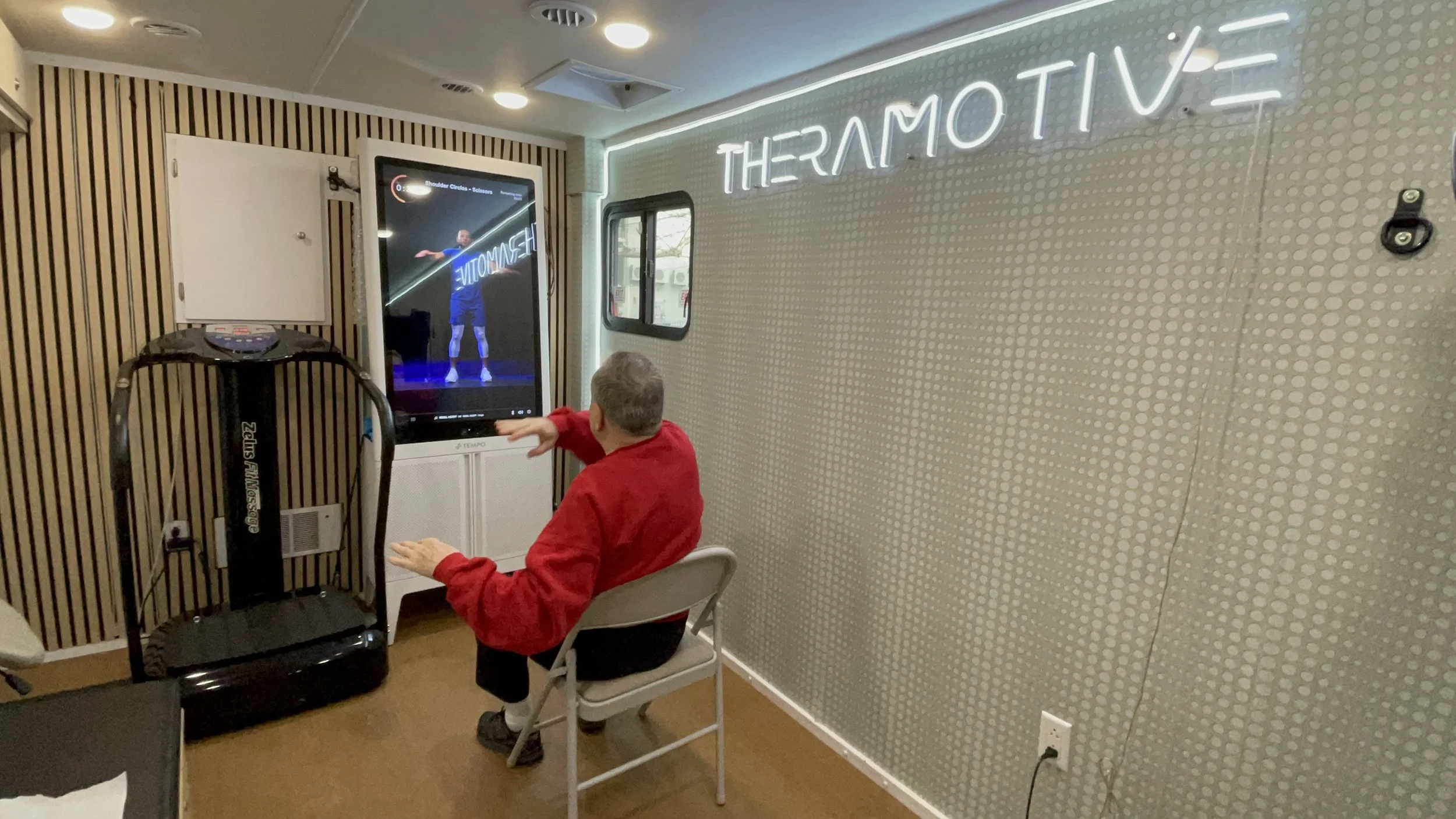
Telling a CNA to rest their hands is impossible when they have a dozen patients relying on them for basic mobility. They need targeted physical therapy that addresses the specific realities of clinical care. Physical therapy helps your clinical staff by:
Using targeted manual therapy to reduce inflammation and open up the wrist muscles, stopping numbness and tingling before it requires a costly surgical release.
Strengthening the deep forearm and hand muscles required to safely pull and operate patient beds and other medical equipment.
A physical therapist who understands healthcare evaluates how your staff actually works. We teach safer hand placements for patient transfers and correct the terrible wrist postures caused by working on their workstations.
How TheraMotive Brings Mobile Physical Therapy Clinics to Healthcare Facilities
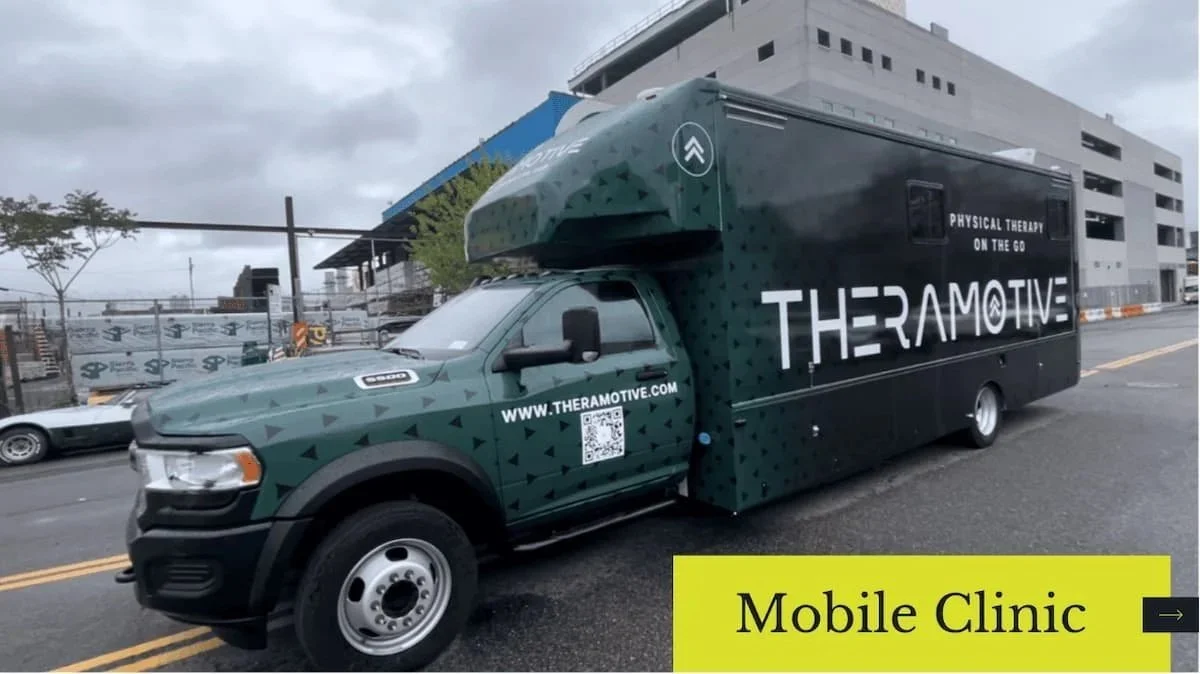
Here is the sad irony of healthcare: your staff spends 12 hours a day treating patients, but their rotating shifts make it nearly impossible to get to a physical therapist for their own injuries. TheraMotive eliminates this barrier by bringing the mobile physical therapy clinics directly to your hospital or facility.
Our mobile physical therapy clinics are fully equipped, climate-controlled medical RVs with private treatment rooms. We park right outside in your parking lot.
Our clinics also come with wheelchair ramps for better accessibility.
We can treat up to 30 staff per session at full capacity.
We understand nursing schedules. We coordinate with your staffing team to offer appointments during shift changes, lunch breaks, or right after a shift, so coverage is never compromised.
Your staff is burnt out enough. We verify their insurance, bill directly, and simplify complex workers' comp claims with your employee health department.
We assess how your staff work and provide your administration with clean reports showing which units are experiencing the most repetitive strain, helping you fix ergonomic issues proactively.