
How Physical Therapy Reduces Hand and Wrist Pain in Construction Workers
If you manage crews for a major construction firm or general contractor like Turner Construction, AECOM Tishman, or Hunter Roberts, hand and wrist problems are a daily reality on your job sites. You see it constantly: workers who can't hold a hammer the same way they used to. Crew members whose hands go completely numb halfway through a shift from running a drilling machine. Experienced workers who have been dealing with severe wrist pain for so long just wrap it in a crepe bandage and assume nothing can be done.
Hand and wrist injuries in construction are both dangerous and expensive. A worker who can’t hold a tool properly or whose hand goes numb on a ladder is a safety risk for the whole site. Workers’ compensation claims for hand and wrist injuries can cost tens of thousands of dollars, and surgical cases can run much higher. These injuries are also a major source of lost work time, which can delay projects and disrupt deadlines. Light duty is difficult on a construction site, and repeated use of vibrating tools can create additional hand and nerve risks that employers need to manage proactively.
Why Construction Work Causes Hand and Wrist Pain
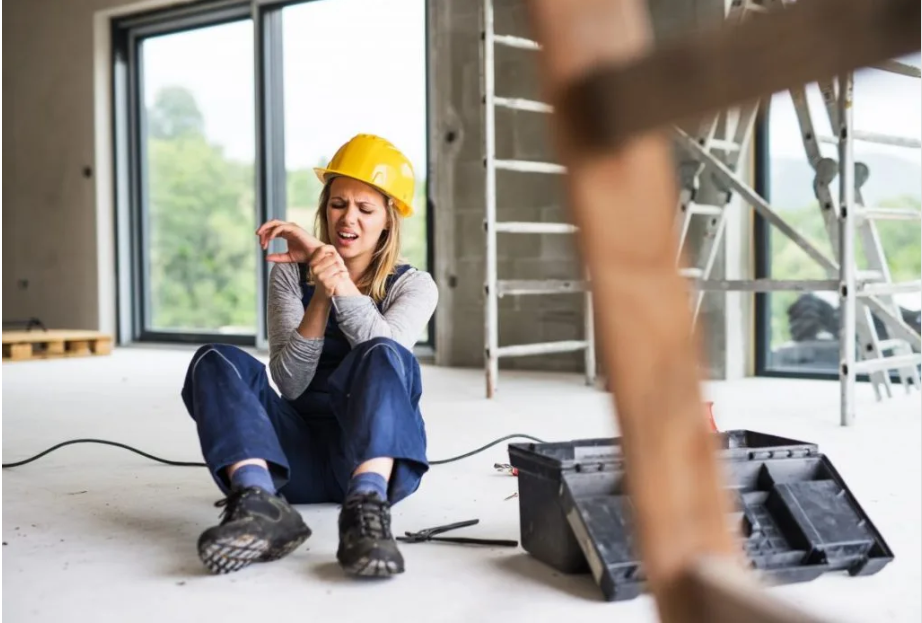
Construction workers put their hands and wrists through violent, sustained demands that are hard to overcome. Think about what your crews actually endure every day on the dirt:
Operating heavy, vibrating tools like jackhammers, impact drivers, grinders, and hammer drills, sends continuous, violent shockwaves through the hands, heavily damaging the nerves and blood vessels.
Gripping heavy tools with constant force, often in awkward, overhead positions, puts the wrist at weird angles while demanding maximum rotation of the wrists.
Manually carrying and handling heavy, awkward materials, such as wooden planks, steel, pipes, tubes, and concrete blocks, places massive sheer loads through the fragile bones of the wrist with every single lift.
Working outside in freezing or wet conditions causes the blood vessels to constrict. Cold muscles and joints are tight, making them highly vulnerable to sudden tears and strains.
What symptoms your construction workers may complain about:
Numbness or tingling in the fingers during or after tool use a sign of vibration-related nerve damage or carpal tunnel syndrome
Weakness in the grip that makes tool use less precise and less safe
Pain in the wrist or base of the thumb when holding or twisting
Swelling and stiffness in the fingers and wrist at the end of the day
A condition called white finger, where fingers go pale and cold from vibration exposure in workers who regularly use heavy vibrating equipment
Chronic wrist pain that worsens with certain tasks and has been present for months or even years
How Physical Therapy Treats Construction Work Hand and Wrist Pain
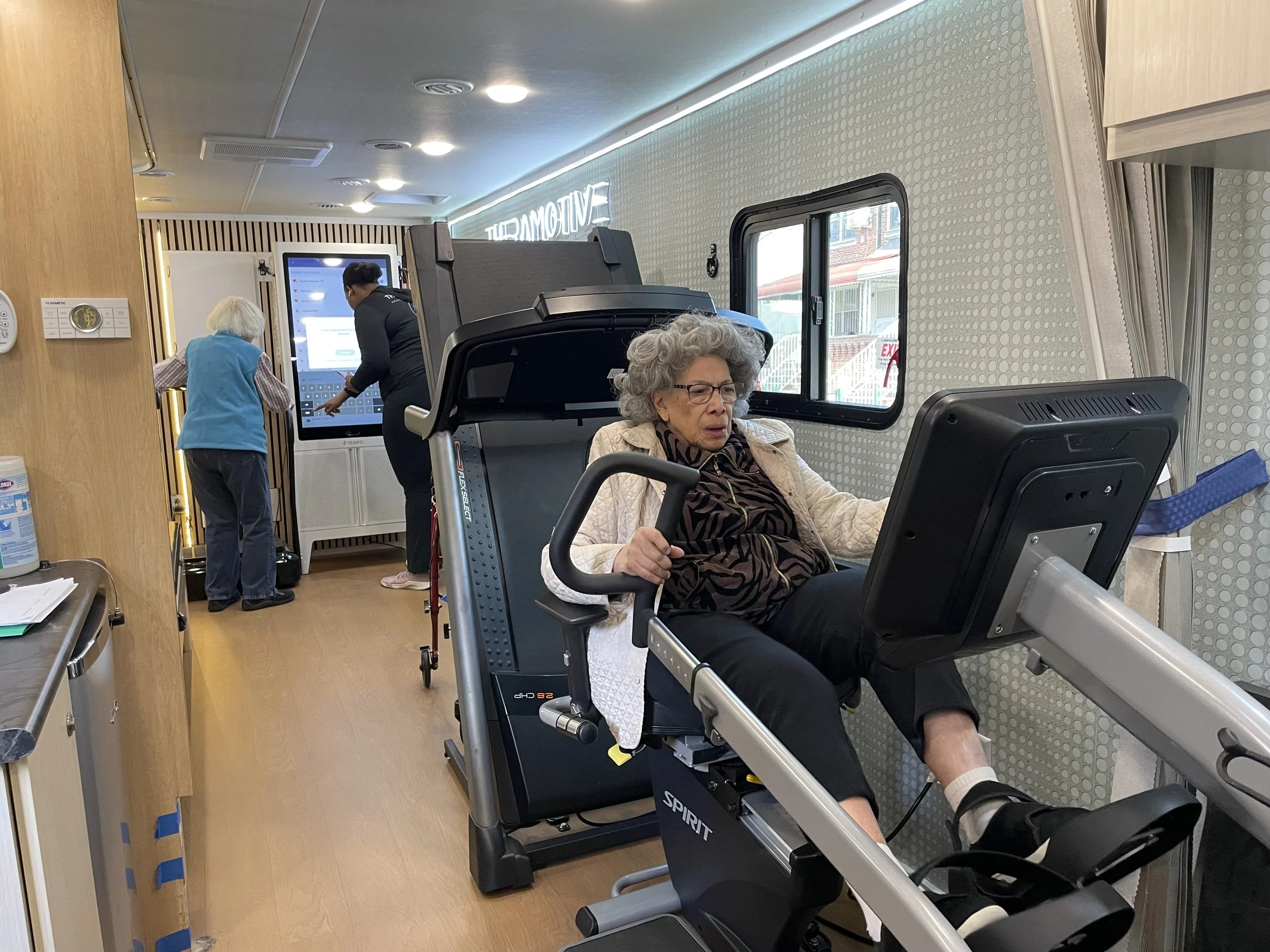
Telling a construction worker to take it easy doesn't work when there is a strict project deadline. They need physical therapy that actually prepares them for the physical demands of the site. Physical therapy helps construction workers by:
Using targeted therapies to improve circulation in the hands and fingers, counteracting the nerve damage caused by heavy equipment and cold weather.
Relieving nerve compression and tendon irritation caused by heavy repetitive grip work, treating Carpal Tunnel early before it requires a $50,000 surgery.
Strengthening the deep forearm and hand muscles that get eroded by chronic overuse and untreated past injuries.
A physical therapist watches how your workers actually use their equipment, teaching better tool grip techniques and wrist positioning that reduce strain without slowing down their output.
How TheraMotive Brings Mobile Physical Therapy Clinics to Construction Sites
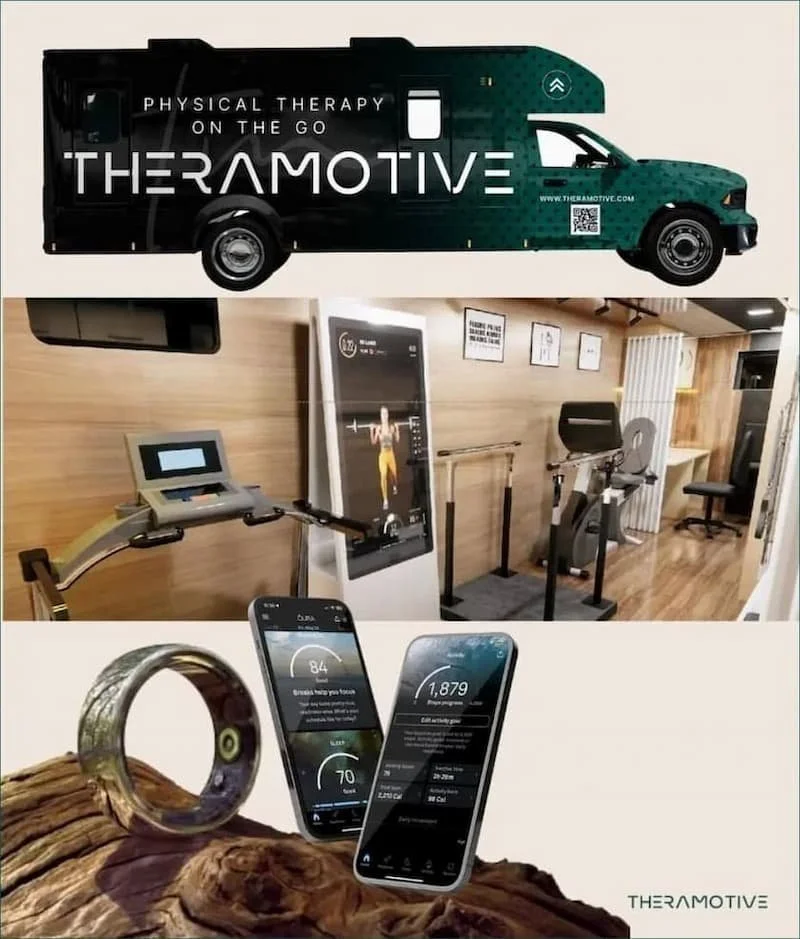
Here is the reality of construction: crews work grueling hours, and job sites change constantly. A worker isn't going to leave the site in the middle of a concrete pour to drive across town for physical therapy. TheraMotive’s mobile clinics are built specifically to solve this logistical nightmare.
Our fully equipped, climate-controlled medical RVs park right at your active job site or main equipment yard.
We coordinate with your site supervisors so workers can get a 30-minute treatment during safety stand-downs, rain delays, or lunch breaks without ever leaving the site.
We manage all the complex medical paperwork, coordinate with your insurance, and track exact return-to-work restrictions.
We don't just treat injuries; we join your safety meetings to lead toolbox talks on vibration exposure, cold-weather warmups, and repetitive strain prevention.