
How assisted living uses Physical therapy to reduce fall risk in Elderly Residents?
Every time a senior resident hits the floor, there's a trail of warning signs that came before it. The problem is Most assisted living communities don't know what to look for until after the incident report is filed.
Why Fall Risk Is Actually Predictable
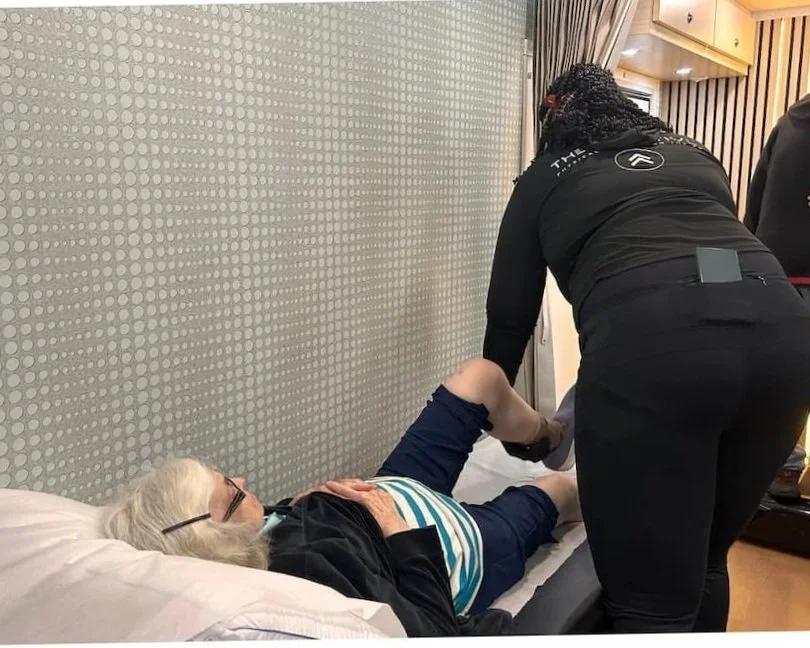
Falls happen when multiple risk factors stack up. We're talking about mobility decline, medication side effects, cognitive changes, and environmental hazards all colliding at once. Research shows that residents with four or more risk factors have a nearly 80% chance of falling.
The good news is that each of these factors is measurable and modifiable with the right intervention.
Physical therapists are licensed professionals who specialize in fall prevention. Your Physical Therapy team can spot these patterns before they become problems. Studies indicate that gait speed declining below 0.6 meters per second is a critical threshold that predicts fall risk. Declining gait speed, reduced balance and weakness in key muscle groups are all red flags that physical therapists are trained to catch early.
The Red Flags Your Staff Should Never Ignore
Train your care team to watch for these high-risk situations:
Recent decline in function – Can they get up from a chair as easily as last month? That's your early warning system.
Post-hospital returns – Residents coming back from acute care have lost strength and confidence. Data shows that 30-40% of hospitalized older adults experience functional decline, making them significantly more vulnerable to falls.
New assistive device use – Someone just started using a walker? They probably don't know how to use it properly yet.
Fear of falling – When residents start limiting their activities because they're scared, the deconditioning spiral begins. Research reveals that up to 50% of older adults who fall develop a fear of falling, which actually doubles their future fall risk.
Simple Fixes That Work
You don't need a complete facility renovation to prevent falls. Start with the basics:
Proper lighting in hallways and bathrooms
Non-slip footwear policies
Grab bars where they're actually needed
Consistent bathroom routines that don't rush residents.
But here's where most communities stop short: they fix the environment and forget about the person.
Where TheraMotive Becomes Your Prevention Strategy
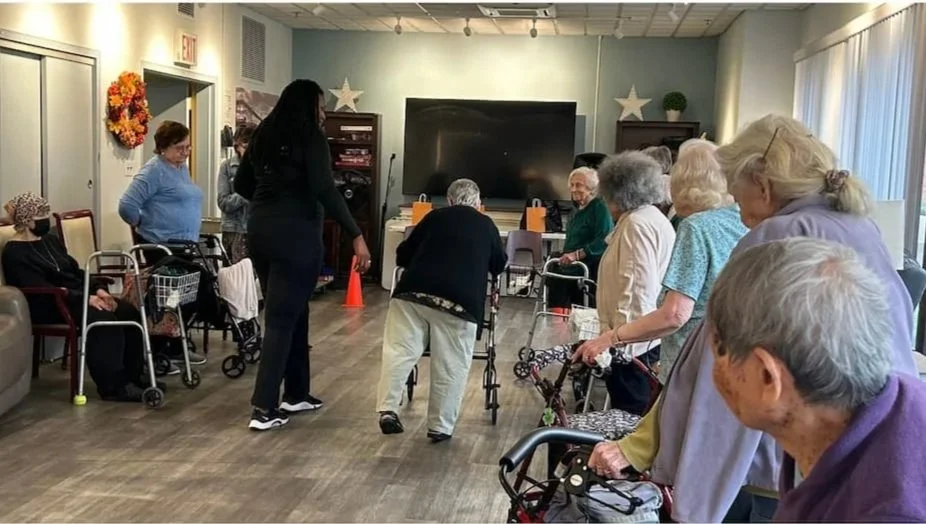
The fixes mentioned are necessary, but they only address half the problem. TheraMotive addresses the human element through our mobile clinic model.
On-Site Mobile Clinics: We provide evidence-based balance and gait training right outside your door, ensuring 100% attendance and zero transport stress.
Liability Mitigation: Regular, documented PT screenings show families (and regulators) that your facility is proactive, not just reactive.
Census Protection: By reducing fall-related hospitalizations by 20–30%, we help you maintain your occupancy and avoid the "empty bed" syndrome.
Start Screening Today
Let TheraMotive implement a simple fall-risk screening workflow. We assess every new admission and reassess quarterly or after any change in condition. Make it part of your standard operating procedure, not an afterthought.
Ready to move from reactive to proactive? Request our fall-risk screening workflow and let's build a prevention program that keeps your residents safe and your community thriving.