
How Physical Therapy Reduces Hand and Wrist Pain in Office Workers
If you look around any modern corporate offices at Google, Microsoft, Meta, or Amazon or even your own headquarters and you will see it. Employees quietly massaging their fingers at their desks. Workers wearing beige wrist braces they bought at the pharmacy because their hands started hurting and they didn't know what else to do. Top performers who are suddenly typing much slower because their wrists ache when they push further to work.
Hand and wrist conditions in office settings are among the most expensive repetitive strain injuries to treat because they often develop gradually and go unnoticed until symptoms become serious. Workers’ compensation claims for hand and wrist injuries can cost tens of thousands of dollars, with carpal tunnel and more serious surgical cases often falling in the $26,000 to $35,000+ range. Productivity often drops before a formal claim is filed, with employees typing more slowly, making more errors, and needing more time away from the keyboard. If left untreated, these conditions can lead to specialist visits, imaging, injections, and surgery, all of which increase medical costs and burden with retaining your skilled professional in your teams.
Why Office Work Causes Hand and Wrist Pain

Most people don't think of typing and using a mouse as physically demanding, but it absolutely is. Your office workers spend 40 hours a week with their wrists locked in the exact same position, performing repetitive movements. Think about what is actually happening to your employees at their desks:
The muscles in the wrist slide back and forth with every single hand movements while typing. At approximately 60 words per minute, that is thousands of repetitive friction movements an hour.
Workers who rest their wrists directly on the hard, sharp edge of a desk while typing are placing direct, continuous physical compression on the nerves around the wrist area.
Gripping a standard computer mouse forces the wrist into an unnatural, twisted angle for hours at a time, straining the forearm muscles and straining them.
The modern corporate worker doesn't just use a keyboard; they are constantly answering emails and Slack messages on their phones, overloading the tiny muscles at the base of the thumb.
What symptoms your office workers may complain about:
Numbness or tingling in the thumb and first two fingers a classic early sign of carpal tunnel syndrome
Aching in the wrist and forearm by mid-afternoon or end of day
Pain that wakes them up at night from keeping the wrist bent during sleep
Weakness when gripping a coffee cup, a door handle, a pen
Stiffness in the fingers first thing in the morning
A burning or shooting sensation from the wrist up toward the elbow
How Physical Therapy Treats Office Work Hand and Wrist Pain
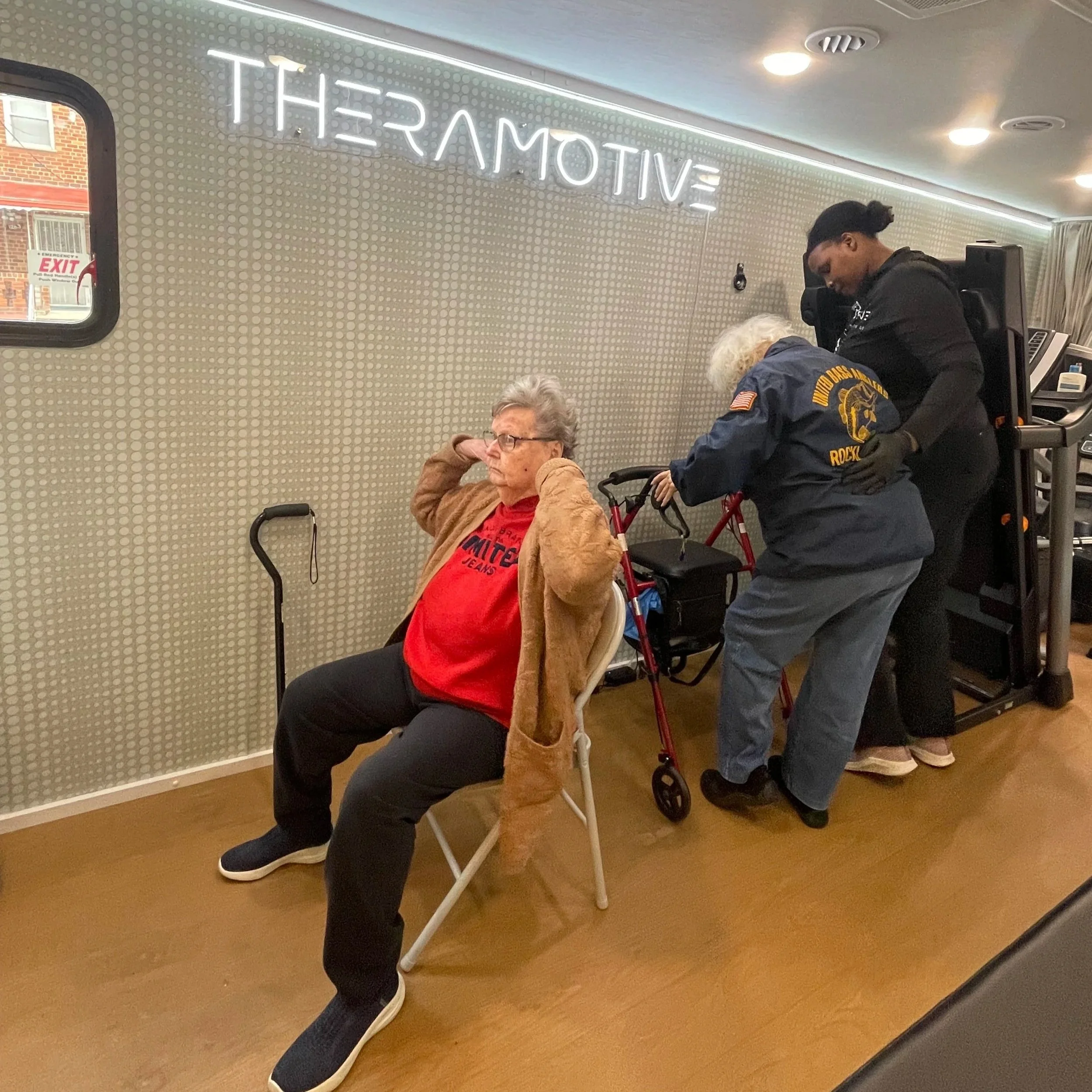
Telling an office worker to type less is impossible. They need targeted physical therapy to reverse the damage of the keyboard and mouse. Physical therapy helps desk workers by:
Using manual therapy to relax the hand and wrist muscles , relieving the pressure on the nerve that causes numbness and tingling.
Strengthening the muscles in the forearm that stabilize the wrist during repetitive typing.
A physical therapist looks at the whole picture. We assess their chair height, keyboard angle, and mouse placement, teaching them ergonomic adjustments that remove the strain entirely.
How TheraMotive Brings Mobile Physical Therapy Clinics to Offices
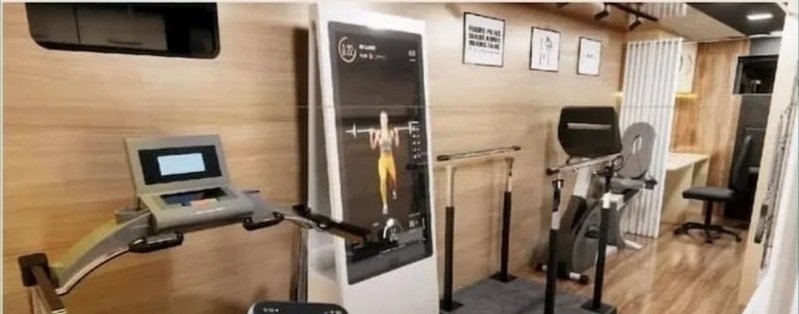
Here is the problem with traditional physical therapy: busy corporate employees don't have the time for it. Leaving their office campus for an appointment means missing meetings and falling behind on emails. By the time they finally seek help, they need surgery. TheraMotive removes the friction by bringing our mobile physical therapy clinics directly to your office building.
Our mobile physical therapy clinics are fully equipped, climate-controlled medical RVs with, HIPAA-compliant treatment rooms.
Our clinics have wheelchair ramps for better accessibility and have high-grade rehab equipment.
We have the capacity to treat up to 30 workers per session so we coordinate with your HR team to set up a seamless schedule. Employees can book 30-minute sessions during lunch, before work, or right after their meetings.
We verify insurance, bill directly, and provide clear cost information upfront so your benefits team doesn't have to deal with the administrative headache.
We don't just treat injuries; we prevent them. We run workstation assessments, host sessions on wrist health, and provide leadership with quarterly reports that include hard ROI data.