
How Physical Therapy prevents falls and saves money in Assisted Living Facilities
Let's talk about something that keeps every assisted living operator up at night: that empty bed after a resident goes to the hospital.
You know the story. Mrs. Johnson falls, gets sent to the ER, spends a week in acute care, and suddenly her room sits vacant. You're losing daily revenue, her family's panicking about next steps, and your team is scrambling to adjust care plans and staffing schedules. It's not just one problem; it's a cascade.
The Double Hit You Can't Ignore
Here's the brutal truth: every hospitalization costs you twice. First, there's the obvious clinical risk to your resident. But second? That's when the vacancy risk kicks in. An empty bed doesn't just mean lost revenue for a few days. It means potential move-outs, strained family relationships, and referral sources wondering if your community can really handle higher-acuity residents.
The longer someone stays away, the worse it gets. Families start touring other facilities. The resident loses functional ability lying in a hospital bed. And your staff? They're left managing the disruption to care routines and wondering if that person's ever coming back.
Where TheraMotive Changes Everything
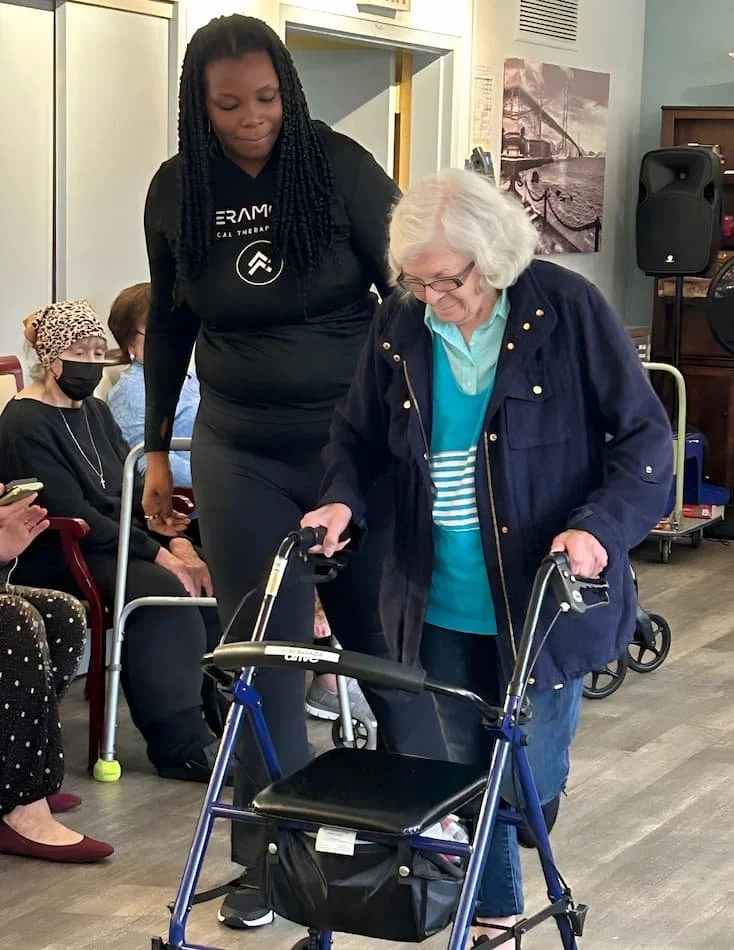
This is where Physical Therapy becomes your secret weapon not just for resident outcomes, but for your bottom line.
Think about it: residents with stronger mobility and better balance simply don't transfer to hospitals as often. At TheraMotive, we focus on proactive intervention rather than reactive care. Our team works directly with your care teams to identify declining residents before a crisis hits, implementing targeted strengthening and balance programs that prevent that empty bed before it happens
But even when transfers do occur, our solid structured PT program dramatically improves your return-to-community rate. Residents who've been working with your therapy team have the functional reserve to bounce back faster. They're not starting from zero when they return, they're picking up where they left off..
What You Should Be Tracking
If you're not measuring these numbers, start today:
Transfers per 1,000 resident-days – How often are people leaving?
Average length of stay away – Are they gone for days or weeks?
Return-to-community rate – What percentage actually come back?
Communities with proactive PT programs consistently see better numbers across all three metrics.
The Path Forward
Want to prevent falls and save money? Build a "return-from-hospital" mobility pathway. Work with your PT team to create protocols for residents coming back from acute care. Pre-hab before elective procedures. Post-hospital reconditioning. Fall prevention programs that actually prevent falls.
Every resident who stays in your community or returns successfully after a hospital stay is revenue protected, a family reassured, and a referral source impressed.
Ready to turn PT from a cost center into a revenue protector? Let's talk about setting up mobility programs that keep beds filled and families confident.